
Read the following passage about the COPYCAT CRIME AND MEDIA INFLUENCE and mark the letter A, B, C or D on you...
Minh Anh
Thành viên cộng đồng
Read the following passage about the COPYCAT CRIME AND MEDIA INFLUENCE and mark the letter A, B, C or D on your answer sheet to indicate the best answer to each of the following questions from 31 to 40.
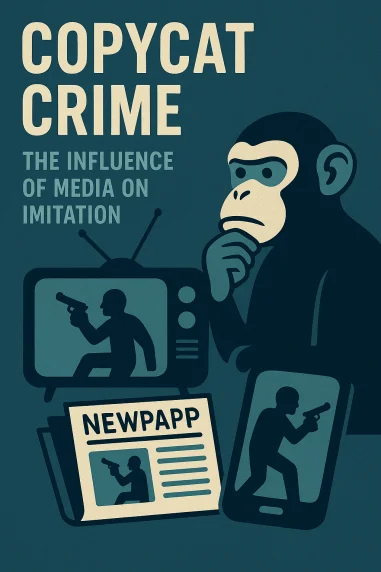
A copycat crime describes a criminal action where someone imitates another offense that has previously received public attention. The phrase "monkey see, monkey do" perfectly captures how these offenders replicate what they have witnessed through various channels. The original wrongdoing usually gains extensive media coverage through television, newspapers, or social platforms, which then inspires vulnerable individuals to commit similar acts. [I] This phenomenon demonstrates the powerful connection between media exposure and criminal behavior in modern society.
Research indicates that media presentation significantly shapes copycat conduct. [II] When crimes are reported with dramatic details and sensational language, they unintentionally provide susceptible people with ideas or feelings of connection to the initial offender. High-profile violent incidents like mass shootings or serial killings particularly tend to encourage imitation, though lesser crimes can also be duplicated. The intensity of reporting, combined with graphic descriptions, amplifies the risk of copycat incidents occurring within communities.
Multiple circumstances determine whether someone will commit a copycat offense. [III] The amount of media attention received, personal similarities between offenders, and the psychological condition of the individual all contribute significantly. Additionally, easy access to information through digital platforms increases opportunities for potential criminals to learn details about previous cases. Understanding these factors helps authorities and journalists recognize their responsibility in preventing such occurrences from spreading throughout society.
To address this serious concern, specialists recommend implementing more conscientious and measured media reporting practices. [IV] News organizations should avoid sensational coverage that glorifies criminal behavior or provides step-by-step instructions. By reducing unnecessary details and avoiding dramatic storytelling, media outlets can substantially decrease copycat crime rates. This balanced approach protects public safety while maintaining journalistic integrity and social responsibility in reporting significant events to audiences worldwide.
https://en.wikipedia.org/wiki/Copycat_crime/mk
Question 31: The phrase “monkey see, monkey do” in paragraph 1 has the closest meaning to _________.
A. look up to B. set apart from C. copy after D. give up on
Cô Nguyễn Thị Sen
Chuyên giaĐã trả lời ngày 06/04/2026