Tài liệu hỗ trợ

Tải MIỄN PHÍ file Word kèm ma trận và lời giải chi tiết

Liên hệ Zalo 0915347068 để nhận file nhanh chóng.

Liên hệ Zalo 0915347068

ĐỀ VIP 4 - KĐ - MỤC TIÊU 9+ TN THPT MÔN TIẾNG ANH 2026 - MK4

(Đề thi có ... trang)

Môn thi: Tiếng Anh

Năm 2026

Thời gian làm bài: ... phút, không kể thời gian phát đề.

Họ, tên thí sinh:

Số báo danh:

Read the following advertisement and mark the letter A, B, C or D on your answer sheet to indicate the option that best fits each of the numbered blanks from 1 to 6.

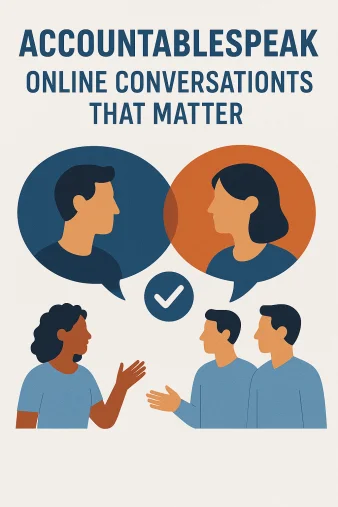
Welcome to AccountableSpeak—Where Online Conversations Matter

Ảnh có chứa văn bản, hình mẫu, phim hoạt hình, minh họa

Nội dung do AI tạo ra có thể không chính xác.

        Do you worry about the increasing debates surrounding cancel (1)_________ in our society? Recent studies show that a majority of Americans hold different opinions about online accountability, (2)_________ affects how we communicate with each other.

        The problem is real. Many of these people, (3)_________ with confusing online discussions, now prefer platforms that support meaningful dialogue rather than public shaming. Our platform empowers communities to hold people (4)_________ in fair and constructive ways.

        Why choose us? Evidence, transparency, and improvement represent three distinct nouns that form the foundation of our service. We help you (5)_________ negative patterns in online behavior. According to our research, a (6)_________ of users have found success using our tools to create positive change.

        Join AccountableSpeak today—because accountability should build people up, not tear them down.

https://www.pewresearch.org/mk

Question 1:A. culturally
B.  
culturalism
C.  
culturalization
D.  
culture

Xem chi tiếtXem đáp án và lời giải

Question 2:A. who
B.  
whom
C.  
which
D.  
whose

Xem chi tiếtXem đáp án và lời giải

Question 3:A. which struggled
B.  
struggling
C.  
have struggled
D.  
was struggled

Xem chi tiếtXem đáp án và lời giải

Question 4:A. accountable
B.  
aware
C.  
honest
D.  
informed

Xem chi tiếtXem đáp án và lời giải

Question 5:A. break through
B.  
bring down
C.  
cut down
D.  
break down

Xem chi tiếtXem đáp án và lời giải

Question 6:A. any
B.  
number
C.  
much
D.  
each


Xem chi tiếtXem đáp án và lời giải

Question 7:A. grows
B.  
creates
C.  
voids 
D.  
builds

Xem chi tiếtXem đáp án và lời giải

Question 8:A. to
B.  
for
C.  
within
D.  
at

Xem chi tiếtXem đáp án và lời giải

Question 9:A. Misleading information health
B.  
Information misleading health 


C.  
Health information misleading
D.  
Misleading health information

Xem chi tiếtXem đáp án và lời giải

Question 10:A. In spite of
B.  
Although
C.  
Moreover
D.  
Unless

Xem chi tiếtXem đáp án và lời giải

Question 11:A. threats 
B.  
issues
C.  
concerns
D.  
challenges

Xem chi tiếtXem đáp án và lời giải

Question 12:A. The others
B.  
Other
C.  
Others
D.  
Another


Xem chi tiếtXem đáp án và lời giải

Mark the letter A, B, C or D on your answer sheet to indicate the best arrangement of utterances or sentences to make a meaningful exchange or text in each of the following questions from 13 to 17.

Question 13:

A.         Teacher: Really? You teach teachers? That is awesome!

B.         AI: Hello! I am your Meta-Teacher. I help you teach better!

C.         Teacher: I am tired. Teaching is hard!

A.  b-c-a
B.  
c-a-b
C.  
a-b-c
D.  
c-b-a

Xem chi tiếtXem đáp án và lời giải

Question 14:

A.         Emma: I watched a Korean film, but the translation was bad, and I lost the meaning.

B.         Mr. David: You are right, and the nuance disappears because the translator cannot explain the culture.

C.         Emma: Because the jokes are not funny in English, the story is different when I read the words.

D.         Emma: So language barriers are important when we watch global media, because the real story is in the original language.

e.        Mr. David: I understand, but why do you think the meaning is lost when you watch it?

A.  a-e-c-b-d
B.  
e-a-d-b-c
C.  
a-d-e-c-b
D.  
c-b-e-a-d

Xem chi tiếtXem đáp án và lời giải

Question 15:

Dear Mr. David,

A.         Although they cannot talk or communicate verbally with us, birds and insects still matter very much to our world.

B.         When we think carefully about nature, animals are important living beings, and they have intrinsic value beyond human use.

C.         Because each individual animal has its own inherent worth and purpose, we must actively protect them today and tomorrow.

D.         I write this letter today because I want to tell you about the importance of animal rights and welfare.

e.        If we respect and honor all living species equally, then the world is better for everyone, including future generations.

Sincerely,

MK

A.  a-d-c-e-b
B.  
d-b-a-e-c
C.
 e-b-d-a-c        
D.  
b-e-a-d-c

Xem chi tiếtXem đáp án và lời giải

Question 16:

A.         Because sensory switching affects our brains, we must take breaks from screens. When we rest, our brains can focus better, so we are happier and healthier.

B.         Although multi-channel media is interesting, it has bad effects because your brain cannot rest. If you use many screens, then you feel more tired and confused.

C.         Today, we watch many screens because our brains must switch between different information. When you use a phone, computer, and television at the same time, your brain works very hard.

D.         Many people listen to music and read messages while they watch videos. But your brain cannot focus on everything, so the information is lost.

e.        When you switch between screens, your brain gets tired because it must change attention very fast. This is called "sensory switching," and it happens many times every day.

A.  d-c-b-e-a
B.  
b-e-d-c-a
C.  
c-d-e-b-a
D.  
e-b-c-d-a

Xem chi tiếtXem đáp án và lời giải

Question 17:

A.         Computers help make art and music from different cultures. Because people want to share their traditions, AI can help connect them together.

B.         When AI learns about many types of art, it can mix old traditions with new ideas. If we use technology, then we can see beautiful art from around the world.

C.         Although people come from different places, they can learn and create art together. So everyone feels happy when they see art from other cultures mixed with their own.

D.         Because AI is a bridge between traditions, it helps people understand each other better. If we share art this way, then the world becomes more beautiful and connected.

e.        For example, music from Africa and music from Asia can be mixed together because AI understands both styles. Dance and painting can also come together in new ways.

A.  a-b-e-c-d
B.  
a-e-d-b-c
C.
 a-c-d-e-b
D.  
a-c-e-b-d


Xem chi tiếtXem đáp án và lời giải

Read the following passage about Disinformation & Deepfakes and mark the letter A, B, C or D on your answer sheet to indicate the option that best fits each of the numbered blanks from 18 to 22.

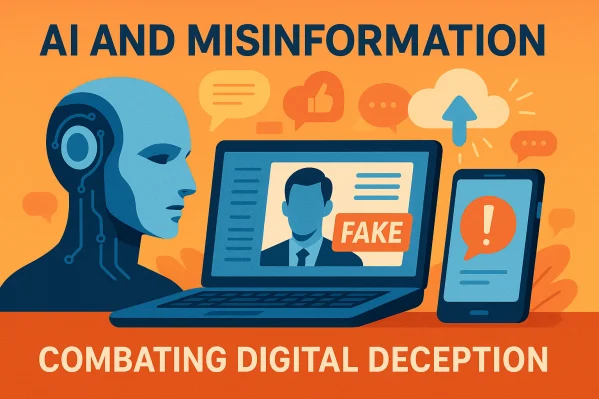
Today, false information spreads quickly through the internet because generative AI technology is becoming more advanced and easier to use. Misinformation reaches millions of people within hours through social networks. If powerful AI tools are used without control, (18)_________. People find it very difficult to recognize the difference between real content and fake videos, which makes society more confused about what is true.Ảnh có chứa văn bản, máy tính

Nội dung do AI tạo ra có thể không chính xác.

Deepfakes, (19)_________, can change public opinion on important topics like climate change and inequality. Echo chambers created by algorithms isolate people in separate groups with similar beliefs, making disagreement worse. The problem is serious; (20)_________. Scientific organizations also face challenges from fraud and lost digital records, something that worries many experts about preserving knowledge for future generations. (21)_________.

Growing disagreement between different social groups makes it harder to find common agreement on facts. Evidence-based decision-making becomes impossible when people cannot believe the same information. Media literacy education in schools appears necessary to help young people think critically about what they see online. (22)_________, when implemented, would create stronger and more connected communities. Human judgment and critical thinking cannot be replaced by technology alone. Only through education and better digital practices can societies build confidence and cooperation again.

https://www.undp.org/mk

Question 18:

A.  media and leaders whom public trust will continue to strengthen considerably

B.  public trust in leaders where media will continue to grow substantially

C.  having restored public trust in leaders and media will improve dramatically

D.  public trust in leaders and media will continue to fall significantly

Xem chi tiếtXem đáp án và lời giải

Question 19:

A.  will be pictures produced by software to present wrong information

B.  which have been documents produced by technology to display false situations

C.  which are videos created by AI to show fake events

D.  have generated images designed by computers to spread misinformation

Xem chi tiếtXem đáp án và lời giải

Question 20:

A.  conversely, it strengthens the hierarchy of individual ambitions between competing organizations

B.  moreover, it weakens the foundation of shared understanding among different communities

C.  therefore, it increases the superiority of wealthy elites against marginalized ethnic populations

D.  meanwhile, it accelerates the development of technological infrastructure within several corporations worldwide

Xem chi tiếtXem đáp án và lời giải

Question 21:

A.  Many researchers struggle with disappearing archives in academic institutions worldwide

B.  Young pupils easily get all information at popular library buildings everywhere

C.  Faculty members enjoy modern computer systems in new learning centers worldwide

D.  Several colleges successfully preserve valuable documents in storage facilities across countries

Xem chi tiếtXem đáp án và lời giải

Question 22:

A.  How transparent communication methods and research regulation frameworks improve

B.  Which authentic online platforms and institutional governance strategies support

C.  Whether credible digital systems and policy development frameworks succeed

D.  What trust-based social media design and science policy planning accomplish


Xem chi tiếtXem đáp án và lời giải

Read the following passage about Digital Amnesia: A Modern Problem and mark the letter A, B, C or D on your answer sheet to indicate the best answer to each of the following questions from 23 to 30.

Digital amnesia is becoming a serious issue in our world today. This phenomenon happens when people depend too much on their electronic devices to store information. Many individuals cannot remember their friends' phone numbers or important dates because smartphones keep this data safely. Instead of using our own brains to remember things, we trust technology to do the work for us. This shift in how we use memory is happening everywhere, affecting both young and old people around the globe.Ảnh có chứa văn bản, áp phích, Đồ họa, hình mẫu
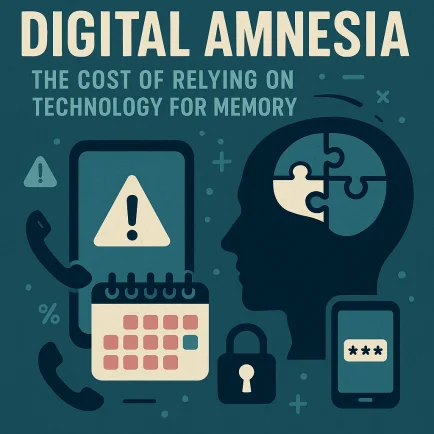
Nội dung do AI tạo ra có thể không chính xác.

The consequences of this growing dependency are quite concerning. When our devices break down or information gets lost, we suddenly face real problems because essential data disappears. We lose access to crucial information that we should have remembered ourselves. Security also becomes a big worry because people forget their passwords and rely too much on automatic storage features. The report from Kaspersky shows that this habit weakens not only our memory but also our protection against cyber threats.

Additionally, both teenagers and adults struggle with this challenge equally. Nobody is safe from this trend because almost everyone uses mobile devices every day. Whether you are a student or a professional, you probably depend on your gadget for basic information. This universal issue shows how technology has changed the way our minds work. We have become comfortable with outsourcing our memory to machines instead of training our brains.

To solve this problem, experts suggest developing better digital habits immediately. People need to improve their cybersecurity awareness and practice safer methods of managing their information. Instead of relying completely on devices, individuals should make an effort to remember important details. By taking responsibility for their own memory and data protection, users can reduce risks and build healthier relationships with technology. This requires conscious effort and discipline from everyone.

https://media.kasperskycontenthub.com/mk

Question 23: According to the passage, which of the following is NOT mentioned as a problem caused by digital amnesia?

A.  People forget their friends' phone numbers and important dates

B.  Increased expenses on purchasing new electronic devices

C.  Weakened memory and reduced protection against cyber threats

D.  Loss of access to crucial information when devices fail or break down

Xem chi tiếtXem đáp án và lời giải

Question 24: The word “their” in paragraph 1 refers to _________.

A.  Many individuals

B.  smartphones

C.  friends

D.  people around the globe

Xem chi tiếtXem đáp án và lời giải

Question 25: The word “dependency” in paragraph 2 is OPPOSITE in meaning to _________.

A.  awareness                                B. vulnerability                                C. autonomy                                        D. reliability

Xem chi tiếtXem đáp án và lời giải

Question 26: The word “outsourcing” in paragraph 3 could be best replaced by _________.

A.  storing                                        B. protecting                                        C. delegating                                D. monitoring

Xem chi tiếtXem đáp án và lời giải

Question 27: Which of the following best paraphrases the underlined sentence in paragraph 4?

A.  Individuals must diminish technological dependence and consciously endeavor to preserve critical memory capabilities

B.  Rather than permit complete reliance upon devices, people ought to actively attempt restoring essential memorization proficiency

C.  Persons should curtail comprehensive device utilization while deliberately exercising enhanced cognitive retention of vital information

D.  Rather than depend fully on devices, individuals ought to deliberately strive to strengthen their personal memory competencies

Xem chi tiếtXem đáp án và lời giải

Question 28: Which of the following is TRUE according to the passage?

A.  Digital amnesia only affects memory capacity and does not threaten cybersecurity protection

B.  When devices fail, people face serious problems accessing information they should have memorized themselves

C.  Experts recommend completely stopping the use of technological devices to solve digital amnesia

D.  Teenagers are more vulnerable to digital amnesia than adults because they use devices more frequently

Xem chi tiếtXem đáp án và lời giải

Question 29: In which paragraph does the writer mention what digital amnesia is and how it affects people?

A.  Paragraph 1                                B. Paragraph 2                                C. Paragraph 3                                D. Paragraph 4

Xem chi tiếtXem đáp án và lời giải

Question 30: In which paragraph does the writer discuss recommendations for developing better digital habits?

A.  Paragraph 1                                B. Paragraph 2                                C. Paragraph 3                                D. Paragraph 4


Xem chi tiếtXem đáp án và lời giải

Read the following passage about the COPYCAT CRIME AND MEDIA INFLUENCE and mark the letter A, B, C or D on your answer sheet to indicate the best answer to each of the following questions from 31 to 40.

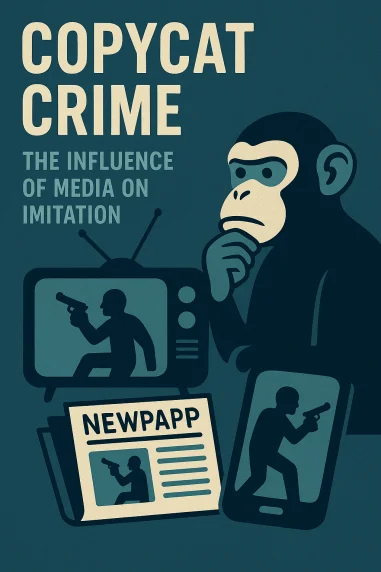
Ảnh có chứa văn bản, áp phích, Mặt người, thiết kế đồ họa

Nội dung do AI tạo ra có thể không chính xác.

A copycat crime describes a criminal action where someone imitates another offense that has previously received public attention. The phrase "monkey see, monkey do" perfectly captures how these offenders replicate what they have witnessed through various channels. The original wrongdoing usually gains extensive media coverage through television, newspapers, or social platforms, which then inspires vulnerable individuals to commit similar acts. [I] This phenomenon demonstrates the powerful connection between media exposure and criminal behavior in modern society.

Research indicates that media presentation significantly shapes copycat conduct. [II] When crimes are reported with dramatic details and sensational language, they unintentionally provide susceptible people with ideas or feelings of connection to the initial offender. High-profile violent incidents like mass shootings or serial killings particularly tend to encourage imitation, though lesser crimes can also be duplicated. The intensity of reporting, combined with graphic descriptions, amplifies the risk of copycat incidents occurring within communities.

Multiple circumstances determine whether someone will commit a copycat offense. [III] The amount of media attention received, personal similarities between offenders, and the psychological condition of the individual all contribute significantly. Additionally, easy access to information through digital platforms increases opportunities for potential criminals to learn details about previous cases. Understanding these factors helps authorities and journalists recognize their responsibility in preventing such occurrences from spreading throughout society.

To address this serious concern, specialists recommend implementing more conscientious and measured media reporting practices. [IV] News organizations should avoid sensational coverage that glorifies criminal behavior or provides step-by-step instructions. By reducing unnecessary details and avoiding dramatic storytelling, media outlets can substantially decrease copycat crime rates. This balanced approach protects public safety while maintaining journalistic integrity and social responsibility in reporting significant events to audiences worldwide.

https://en.wikipedia.org/wiki/Copycat_crime/mk

Question 31: The phrase “monkey see, monkey do” in paragraph 1 has the closest meaning to _________.

A.  look up to                                B. set apart from                                C. copy after                                        D. give up on

Xem chi tiếtXem đáp án và lời giải

Question 32: Which of the following is NOT mentioned in the passage?

A.  The specific legal penalties that copycat criminals receive compared to original offenders

B.  Media presentation significantly influences how people understand criminal behavior

C.  High-profile violent crimes like mass shootings tend to encourage imitation more than lesser offenses

D.  Digital platforms increase opportunities for potential criminals to access details about previous cases

Xem chi tiếtXem đáp án và lời giải

Question 33: Where in the paragraph does the following sentence best fit?

The way the media reports crimes significantly influences how people perceive criminal behavior.

A. [I]
B. [II]
C. [III]
        
D. [IV]

Xem chi tiếtXem đáp án và lời giải

Question 34: The word “sensational” in paragraph 2 is OPPOSITE in meaning to _________.

A.  dramatic                                        B. striking                                        C. inflammatory                                D. factual

Xem chi tiếtXem đáp án và lời giải

Question 35: Which of the following best summarises paragraph 3?

A.  Several factors determine copycat crime likelihood, and recognizing these helps authorities and journalists prevent future occurrences.

B.  Digital platforms solely enable copycat crime occurrence, making internet restriction the most effective prevention strategy available.

C.  Journalists bear exclusive responsibility for copycat offenses, requiring complete media silence about all criminal activity reported.

D.  Psychological conditions alone predict copycat criminal behavior, suggesting mental health treatment eliminates all imitation crime risks.

Xem chi tiếtXem đáp án và lời giải

Question 36: The word “their” in paragraph 3 refers to _________.

A.  the amount of media attention and personal similarities between offenders

B.  the psychological condition of individuals who commit copycat crimes

C.  the factors that determine whether someone will commit a copycat offense

D.  authorities and journalists

Xem chi tiếtXem đáp án và lời giải

Question 37: Which of the following best paraphrases the underlined sentence in paragraph 4?

A.  Restricting all media coverage and eliminating complete information about crimes will entirely prevent copycat offenses from occurring.

B.  News organizations should reduce sensational details while maintaining comprehensive reporting to substantially lower copycat crime rates overall.

C.  Media outlets can substantially lower copycat crime rates by eliminating unnecessary information and avoiding sensational narrative storytelling approaches.

D.  Media outlets must eliminate unnecessary details and dramatic storytelling to moderately improve public safety and discourage imitation crime.

Xem chi tiếtXem đáp án và lời giải

Question 38: Which of the following is TRUE according to the passage?

A.  Media attention has no effect on whether individuals decide to commit copycat crimes in society.

B.  Journalists should provide detailed instructions about crimes to inform vulnerable individuals properly.

C.  Psychological condition, media attention, and personal similarities all influence copycat crime behavior significantly.

D.  Eliminating all crime reports is the only effective method for preventing copycat offenses completely.

Xem chi tiếtXem đáp án và lời giải

Question 39: Which of the following can be inferred from the passage?

A.  Vulnerable individuals who encounter sensational crime coverage always feel compelled to imitate criminal behavior depicted.

B.  Digital platforms have made it easier for potential offenders to access crime details than traditional media.

C.  The passage explicitly states media outlets deliberately provide instructions to vulnerable individuals committing crimes.

D.  Psychological conditions alone, without media exposure or similarities, are sufficient factors for copycat offenses.

Xem chi tiếtXem đáp án và lời giải

Question 40: Which of the following best summarises the passage?

A.  Media coverage of crimes is a significant factor that influences vulnerable individuals, though it is not the only cause of copycat offenses.

B.  Multiple factors, including media presentation style, individual psychology, personal similarities, and digital access, contribute to copycat crimes, which responsible journalism can help prevent.

C.  Copycat offenders typically learn criminal techniques by studying detailed step-by-step instructions provided intentionally by news organizations through traditional and digital media channels.

D.  Psychological conditions and personal similarities between offenders are the most significant determinants of copycat crime, while media coverage plays only a minor role.

Xem chi tiếtXem đáp án và lời giải