Learning Without Finish Lines For most of human history, education followed a predictable path. Children went to school, young adults entered work, and learning was treated as something that ended early in adulthood. That model once made sense, but it now fails many people. When technology, migration, and changing social needs reshape life so quickly, lifelong learning is not a hobby or a luxury. It is a practical way to stay capable and independent.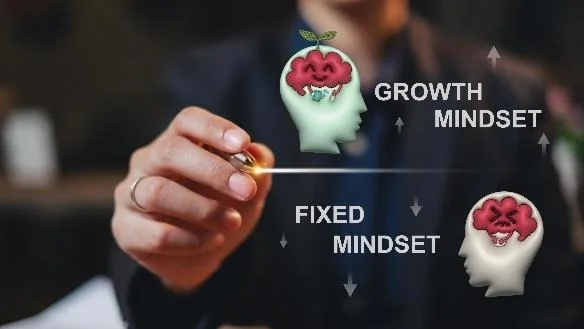 The workplace shows this shift clearly. Automation has reduced routine jobs in factories and offices, while artificial intelligence is starting to influence work in law, medicine, finance, and the creative sector. The World Economic Forum has warned that many roles will be transformed or replaced within the next decade. In this climate, relying on a single qualification is risky. Workers need reskilling, digital literacy, and the ability to transfer skills across industries, especially as remote work and global competition widen the talent pool. Yet lifelong learning is not only about technology. It also depends on mindset and social conditions. A growth mindset, the belief that ability improves through effort and feedback, helps people accept being a beginner and recover after failure. At the same time, unequal access creates a serious gap. People with stable time, money, and internet can upskill faster, while others face long hours, weak support, and stress. Without fair policies, lifelong learning can become another source of pressure rather than empowerment. Fortunately, continuous learning is more available than ever. Online courses, community classes, and workplace training can build both technical skills and broader competence such as communication and critical thinking. The key barrier is often motivation and habit. If schools, employers, and governments encourage self-directed learning and provide flexible support, lifelong learning can strengthen careers, civic resilience, and mental wellbeing across an entire society. |