BỘ 50 ĐỀ THI MINH HOẠ TỐT NGHIỆP THPT TIẾNG ANH NĂM 2026 (BẢN WORD CÓ ĐÁP ÁN) - ĐỀ 23

(Đề thi có ... trang)

Môn thi: Tiếng Anh

Năm 2026

Thời gian làm bài: ... phút, không kể thời gian phát đề.

Họ, tên thí sinh:

Số báo danh:

Read the following announcement and mark the letter A, B, C or D on your answer sheet to indicate the option that best fits each of the numbered blanks from 1 to 6.

Urbanization Is Reshaping Daily Life—Here’s What Residents Should Watch

Over the past year, many districts have seen new towers appear almost overnight. While fresh housing can ease pressure, rapid urban growth also brings hidden costs: longer commutes, hotter streets, and rent that rises faster than wages. To help residents plan, the city portal now posts (1) __________ twice a month, showing where roads, schools, and clinics are expected to be under strain.

In newly built areas, people often move into apartments (2) __________ parking, shade, or safe crossings. As traffic increases, some streets (3) __________ under congestion at the worst times, turning a short trip into an hour of stop-and-go.

Before signing a lease, consider (4) __________ the neighborhood at different hours, not just on a quiet weekend. A new (5) __________ map is also available, highlighting flood-prone zones and heat-island blocks.

If you spot unsafe construction waste, report it. The inspection team will trace the case and impose penalties (6) __________ the contractor after review.

Question 1: A. infrastructure monthly updates        B. monthly updates infrastructure
C. monthly infrastructure updated        D. monthly infrastructure updates

Xem chi tiếtXem đáp án và lời giải

Question 2: A. that is lacking        B. lack        C. to lack        D. lacking

Xem chi tiếtXem đáp án và lời giải

Question 3: A. pay        B. hold        C. buckle        D. pack

Xem chi tiếtXem đáp án và lời giải

Question 4: A. to visit        B. visit        C. to visiting        D. visiting

Xem chi tiếtXem đáp án và lời giải

Question 5: A. risky        B. risk        C. riskily        D. risked

Xem chi tiếtXem đáp án và lời giải

Question 6: A. on        B. in        C. at        D. of


Xem chi tiếtXem đáp án và lời giải

Read the following leaflet and mark the letter A, B, C or D on your answer sheet to indicate the option that best fits each of the numbered blanks from 7 to 12.

Eco-Anxiety and the “Green” Noise Online

Climate clips, wildfire maps, and “zero-waste” challenges appear everywhere, and the stream of updates can feel relentless. (7) __________ the constant headlines, many people swing between panic and numbness: they care, but they don’t know what matters most. A growing (8) __________ of consumers now scan labels, track carbon claims, and judge brands by short videos rather than full reports. Some communities respond with practical habits; (9) __________ get stuck in blame, especially when environmental talk turns into online shaming. Pressure can (10) __________ in daily choices: choosing a drink becomes a debate about packaging, and a weekend trip feels like a moral test. Over time, the warning sign is quiet (11) _______—people want to help yet fear every decision is “still not enough.” A steadier approach is to focus on what is measurable and realistic, and protect recovery habits like sleep, movement, and (12) __________ downtime from doom-scrolling.

Question 7: A. In spite of        B. In light of        C. In addition to        D. According to

Xem chi tiếtXem đáp án và lời giải

Question 8: A. plenty        B. deal        C. share        D. amount

Xem chi tiếtXem đáp án và lời giải

Question 9: A. other        B. another        C. the other        D. others

Xem chi tiếtXem đáp án và lời giải

Question 10: A. look after        B. break into        C. build up        D. get over

Xem chi tiếtXem đáp án và lời giải

Question 11: A. status        B. drive        C. self-doubt        D. credit

Xem chi tiếtXem đáp án và lời giải

Question 12: A. measurable        B. glossy        C. crowded        D. screen-free


Xem chi tiếtXem đáp án và lời giải

Mark the letter A, B, C or D on your answer sheet to indicate the best arrangement of utterances or sentences to make a cohesive and coherent exchange or text in each of the following questions from 13 to 17.

Question 13:

A. Ava: I get it, but when every family drives, the road by school turns into a parking lot.

B. Noah: My mom wants to take the car today because the bus is packed again.

C. Noah: True. If the buses ran more often, I’d leave the car at home.

A.  b – c – a        B. b – a – c        C. a – b – c        D. a – c – b

Xem chi tiếtXem đáp án và lời giải

Question 14:

A. Liam: Do you mean a full ban, or limits on ads during kids’ shows and apps?

B. Sophie: I’m overloaded—tests, our debate prep, and my cousin keeps getting snack ads on every video.

C. Sophie: Nice. If my part is still messy, I’ll send a short voice note so you can fix the wording.

D. Sophie: Limits sound fair. I’ll switch on Focus Mode, write two arguments, and drop them in our shared folder.

e. Liam: Great—I'll add the “business freedom” counterpoint, then we’ll practise on the bus ride home.

A.  b – d – a – e – c        B. b – a – d – e – c        C. a – b – d – e – c        D. b – a – e – d – c

Xem chi tiếtXem đáp án và lời giải

Question 15:

Dear Sam,

How are you these days? I’ve been tired, but in a good way.

A. Our school recently launched a "service hours" pilot program — that's how I ended up at a local food bank one Thursday after class.

B. Honestly, I expected most of us to just rush through it; a few classmates even joked openly about getting the hours over with as quickly as possible.

C. Everything shifted when the coordinator gently asked a small group of us to sit with an elderly man who had come alone to collect his weekly supplies.

D. He barely mentioned the food — instead, he said that having someone to talk to mattered more than the boxes in his bag, and that simple line has stayed with me ever since.

e. That moment changed how I see service: without genuine connection and a chance to reflect, it risks becoming nothing more than a number checked off on a piece of paper.

Take care,

Linh

A.  a – c – b – d – e        B. a – b – c – d – e        C. b – a – c – d – e        D. a – b – d – c – e

Xem chi tiếtXem đáp án và lời giải

Question 16:

A. Endless notifications flood their phones: grade updates, group chat debates, and carefully filtered snapshots of classmates' seemingly perfect lives.

B. For today's students, stress feels heavier and more persistent — school pressure no longer fades when the final bell rings.

C. Some adults dismiss it as poor time management, yet even the most organized students find themselves trapped in a cycle of compulsive checking and digital exhaustion.

D. Sleep quality drops, irritability rises, and one by one, students quietly quit the clubs and hobbies that once helped them unwind.

e. Real support, then, isn't just about teaching resilience — it means setting clearer deadlines, carving out quieter study spaces, and training adults to listen before problems escalate.

A.  a – b – d – c – e        B. a – b – c – d – e        C. b – a – c – d – e        D. a – c – b – d – e

Xem chi tiếtXem đáp án và lời giải

Question 17:

A. I’d also like to volunteer in a health club for children, because real community work can teach me more about public health than textbooks alone.

B. So I would take a gap year only with clear goals, a budget, and someone to guide me; otherwise, it could become more stressful than meaningful.

C. Still, a gap year can easily turn into wasted time without a clear plan, and it may be hard to return to studying when others have already moved ahead.

D. I could work with a community group, learn how local health campaigns support families, and see how public decisions affect people’s daily lives.

e. After graduation, I’ve been thinking about taking a gap year, but not the kind where I simply stay home and do nothing.

A.  e – b – c – a – d        B. e – d – a – c – b        C. e – b – a – d – c        D. e – d – c – b – a


Xem chi tiếtXem đáp án và lời giải

Read the following passage and mark the letter A, B, C or D on your answer sheet to indicate the option that best fits each of the numbered blanks from 18 to 22.

Healthy Habits for a Better Life

Good health is one of the most valuable things a person can have, yet many people take it for granted. A healthy lifestyle does not mean following strict diets or spending hours at the gym every day. Instead, it involves making simple, consistent choices that benefit both the body and the mind. Understanding (18) __________.

Physical activity plays a crucial role in maintaining good health. Experts recommend at least 30 minutes of moderate exercise five times a week. Activities such as walking, cycling, swimming, or even dancing can strengthen the heart, (19) __________. Regular exercise also releases endorphins — chemicals in the brain that reduce stress and boost mood. People who exercise regularly tend to sleep better and feel more energetic throughout the day.

Nutrition is equally important. (20) __________. Drinking enough water, around eight glasses a day, keeps the body hydrated and supports organ function. On the other hand, consuming too much processed food, sugar, and saturated fat increases the risk of serious diseases such as diabetes, heart disease, and obesity. Small changes, (21) __________, can make a significant difference over time.

Finally, mental health should never be overlooked. Getting seven to nine hours of sleep each night, managing stress through meditation or hobbies, (22) __________. True health is a balance of physical, mental, and emotional well-being — and achieving it is within everyone's reach.

Question 18:
A. to live a longer, happier life on condition that being truly healthy is the first step
B. that a longer, happier life truly means being healthy is the first step toward living
C. what it means to be truly healthy is the first step toward living a longer, happier life
D. the first step toward living a longer, happier life is merely how truly healthy it is

Xem chi tiếtXem đáp án và lời giải

Question 19:
A. improve blood circulation, and help maintain a healthy weight
B. improved blood circulation, and helped maintain a healthy weight
C. with the improvement of blood circulation and maintaining a healthy weight
D. improving blood circulation, and the maintenance of a healthy weight

Xem chi tiếtXem đáp án và lời giải

Question 20:

A.  Grains and proteins being rich in a balanced diet provides the body with vitamins and minerals essentially

B.  Assuming that a balanced diet provides essential vitamins, it must be rich in grains and proteins eventually

C.  A balanced diet rich in fruits, vegetables, whole grains, and lean proteins provides the body with essential vitamins and minerals

D.  Essential vitamins and minerals provided to the body are from a balanced diet rich in grains and proteins

Xem chi tiếtXem đáp án và lời giải

Question 21:
A. adding more vegetables to meals but replacing sugary drinks with water is a small change

B.  like replacing sugary drinks with water or adding more vegetables to meals

C.  such as the replacement of sugary drinks for water and add more vegetables to meals

D.  given that replacing sugary drinks with water or more vegetables are added to meals

Xem chi tiếtXem đáp án và lời giải

Question 22:
A. all essential components of a healthy life are maintaining strong social connections

B.  whose strong social connections are maintained to be all essential components of a healthy life

C.  that maintaining strong social connections is among all essential components of a healthy life

D.  and maintaining strong social connections are all essential components of a healthy life


Xem chi tiếtXem đáp án và lời giải

Read the passage and mark the letter A, B, C or D on your answer sheet to indicate the best answer to each of the following questions from 23 to 30.

Learning Without Finish Lines

For most of human history, education followed a predictable path. Children went to school, young adults entered work, and learning was treated as something that ended early in adulthood. That model once made sense, but it now fails many people. When technology, migration, and changing social needs reshape life so quickly, lifelong learning is not a hobby or a luxury. It is a practical way to stay capable and independent.
The workplace shows this shift clearly. Automation has reduced routine jobs in factories and offices, while artificial intelligence is starting to influence work in law, medicine, finance, and the creative sector. The World Economic Forum has warned that many roles will be transformed or replaced within the next decade. In this climate, relying on a single qualification is risky. Workers need reskilling, digital literacy, and the ability to transfer skills across industries, especially as remote work and global competition widen the talent pool.

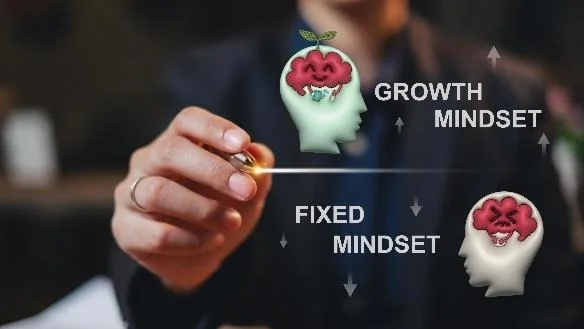
Yet lifelong learning is not only about technology. It also depends on mindset and social conditions. A growth mindset, the belief that ability improves through effort and feedback, helps people accept being a beginner and recover after failure. At the same time, unequal access creates a serious gap. People with stable time, money, and internet can upskill faster, while others face long hours, weak support, and stress. Without fair policies, lifelong learning can become another source of pressure rather than empowerment.

Fortunately, continuous learning is more available than ever. Online courses, community classes, and workplace training can build both technical skills and broader competence such as communication and critical thinking. The key barrier is often motivation and habit. If schools, employers, and governments encourage self-directed learning and provide flexible support, lifelong learning can strengthen careers, civic resilience, and mental wellbeing across an entire society.

Question 23: The word “It” in paragraph 1 refers to __________.

A.  technology        B. changing social need        C. lifelong learning        D. a luxury

Xem chi tiếtXem đáp án và lời giải

Question 24: The word “reskilling” in paragraph 2 is closest in meaning to __________.

A.  improving current skills        B. training for a new role

C.  gaining work experience        D. switching industries

Xem chi tiếtXem đáp án và lời giải

Question 25. The word "climate" in paragraph 2 is closest in meaning to __________.

A.  frame        B. weather        C. status        D. context

Xem chi tiếtXem đáp án và lời giải

Question 26: According to paragraph 3, unequal access to lifelong learning can be worsened by all of the following EXCEPT __________.

A.  limited time and money                        B. weak support and high stress

C.  unreliable internet access                        D. abundant leisure time and stable resources

Xem chi tiếtXem đáp án và lời giải

Question 27: What can be inferred from the World Economic Forum’s warning mentioned in paragraph 2 regarding the future of the workforce?

A.  The emergence of artificial intelligence will exclusively jeopardize creative sectors while leaving traditional professions intact.

B.  Reliance on a singular, static qualification is no longer a viable strategy for long-term career security.

C.  Automation is expected to eliminate the need for digital literacy among workers in the legal and financial industries.

D.  The widening of the talent pool through remote work will eventually stabilize the demand for routine factory jobs.

Xem chi tiếtXem đáp án và lời giải

Question 28: Which of the following best paraphrases the underlined sentence in paragraph 3: “Without fair policies, lifelong learning can become another source of pressure rather than empowerment.”?

A.  Lifelong learning only empowers individuals when they are under enough pressure to follow strict government regulations.

B.  In the absence of impartial guidelines, the journey of continuous education risks being a heavy strain instead of a motivating force.

C.  As long as people feel empowered by lifelong learning, there is no need for the government to introduce new social policies.

D.  Fair policies are designed to increase the level of pressure on learners to ensure they can achieve personal empowerment.

Xem chi tiếtXem đáp án và lời giải

Question 29: In which paragraph does the author emphasize that the viability of continuous education is contingent upon both individual psychological attributes and the mitigation of socio-economic disparities?

A.  Paragraph 1        B. Paragraph 2        C. Paragraph 3        D. Paragraph 4

Xem chi tiếtXem đáp án và lời giải

Question 30: In which paragraph is it suggested that the efficacy of lifelong learning extends beyond individual career success to include the broader stability and health of a community?

A.  Paragraph 1        B. Paragraph 2        C. Paragraph 3        D. Paragraph 4


Xem chi tiếtXem đáp án và lời giải

Read the passage and mark the letter A, B, C or D on your answer sheet to indicate the best answer to each of the following questions from 31 to 40.

A free trade zone rarely looks dramatic. It looks like a fence, a gate, and a stream of containers moving with unusual speed. Goods arrive at a port or airport, are stored, sorted, assembled, reconfigured, and sent onward with paperwork that feels lighter than outside the perimeter. For governments, the promise is simple: investment, jobs, and logistics power without waiting for the entire economy to reform. For firms, the attraction is equally simple: delays become shorter, inventory becomes cheaper to hold, and the border becomes more predictable. Yet the same convenience that makes a zone feel frictionless can also make it feel strangely detached from the normal rules of trade.

This is why free trade zones are often sold with the language of modernisation. They are presented as policy tools that can catalyse growth by pairing infrastructure with fiscal and regulatory incentives. In practice, some zones do become magnets for manufacturing and distribution, especially when they connect to reliable transport links and a stable ruleset. But performance is uneven. UNCTAD notes that many zones remain below expectations, failing to attract significant investment or deliver the spillovers that were promised, while the World Bank stresses that zone success depends on design, governance, and how well the zone connects to the domestic economy rather than operating like an island.

[I] The harder truth is that a zone can also become a place where oversight thins. [II] The World Customs Organization warns that some countries treat the zone as effectively outside the customs territory, encouraging relaxed controls that raise risks of illegal trade. [III] The Financial Action Task Force similarly highlights that the features that help legitimate business can attract illicit actors who exploit weaker monitoring to launder proceeds of crime. [IV]

A free trade zone, then, is not automatically a shortcut to prosperity or a trap for wrongdoing. It is an experiment in governance under pressure, where incentives, enforcement, and accountability must move as fast as cargo does. When authorities invest in clear rules, data sharing, and effective customs presence, zones can support trade and industry without becoming a shadow corridor. When they do not, the same fence that signals opportunity can also signal that responsibility has been outsourced to the margin of the map.

[Adapted from https://unctad.org/system/files/official-document/WIR2019_CH4.pdf?utm_source]

Question 31: Where in the passage does the following sentence best fit?

The story is not that every zone is a loophole, but that weak transparency can turn speed into cover.

A.  [I]         B. [II]         C. [III]         D. [IV]

Xem chi tiếtXem đáp án và lời giải

Question 32: The phrase “sold with the language of modernisation” in paragraph 2 is closest in meaning to __________.

A.  described as a routine export measure        B. framed as a forward-looking reform

C.  treated as an outdated policy slogan        D. marketed as a temporary tax break

Xem chi tiếtXem đáp án và lời giải

Question 33: The word "they" in the last paragraph refers to __________.

A.  clear rules        B. seed sources        C. authorities        D. data sharing

Xem chi tiếtXem đáp án và lời giải

Question 34: Which of the following is NOT mentioned in the passage as a benefit of free trade zones for firms?

A.  Predictability in border procedures        B. Reduced costs for holding inventory

C.  Shorter waiting times for operations        D. Direct subsidies for manufacturing

Xem chi tiếtXem đáp án và lời giải

Question 35: Which of the following best summarizes the main content of the second paragraph?

A.  Free trade zones are promoted as catalysts for growth through incentives, yet their actual success varies greatly depending on governance and domestic integration.

B.  International organizations like UNCTAD and the World Bank have reached a consensus that all free trade zones will eventually fail to attract significant investment.

C.  The modernization of infrastructure within free trade zones is the sole factor that determines whether a country can successfully reform its entire domestic economy.

D.  Most free trade zones function like isolated islands to ensure that fiscal incentives do not interfere with the stable rulesets established by global manufacturing magnets.

Xem chi tiếtXem đáp án và lời giải

Question 36: The word "detached" in the first paragraph is opposite in meaning to __________.

A.  partial        B. attached        C. involved        D. related

Xem chi tiếtXem đáp án và lời giải

Question 37: According to the third paragraph, how can the efficiency of a free trade zone potentially become a disadvantage?

A.  Strict monitoring by the World Customs Organization often slows down the movement of containers, causing economic stagnation.

B.  The reduction in bureaucratic friction may be exploited by criminal entities to hide illegal transactions under the guise of speed.

C.  The high speed of cargo movement prevents legitimate businesses from complying with the transparency requirements of task forces.

D.  Customs territories are often expanded so rapidly that local authorities lose the ability to provide fiscal incentives to new firms.

Xem chi tiếtXem đáp án và lời giải

Question 38: Which of the following best paraphrases the underlined sentence in paragraph 1?

A.  Governments prefer free trade zones because they allow for total economic restructuring without the need for immediate foreign investment.

B.  Free trade zones offer a way for nations to improve their logistics and employment rates by delaying necessary reforms in the wider economy.

C.  Zones provide a localized opportunity for economic gains and infrastructure growth without requiring prior large-scale national policy changes.

D.  Unless the whole economy undergoes reform, governments cannot fulfill the promise of creating jobs and attracting investment through trade zones.

Xem chi tiếtXem đáp án và lời giải

Question 39: Which of the following can most likely be inferred from the passage?

A.  The physical presence of a fence around a trade zone is the primary deterrent against the laundering of criminal proceeds.

B.  Most countries that establish free trade zones eventually decide to treat them as territories completely outside of their legal jurisdiction.

C.  The effectiveness of a free trade zone is determined more by its administrative oversight than by its mere existence as a logistics hub.

D.  The World Bank suggests that free trade zones should operate independently from the domestic economy to avoid the thinning of oversight.

Xem chi tiếtXem đáp án và lời giải

Question 40: Which of the following best summarizes the passage?

A.  Free trade zones are primarily architectural structures consisting of fences and gates that facilitate the rapid movement of cargo to help firms avoid all paperwork.

B.  While free trade zones are designed to bypass the normal rules of trade, they are essentially loopholes that inevitably lead to illegal trade and financial crimes.

C.  Free trade zones are complex policy experiments that offer significant economic potential but require rigorous governance to prevent them from becoming venues for illicit activity.

D.  Modernization in trade is only possible through the creation of isolated zones where authorities can outsource their responsibilities to international organizations like UNCTAD.


Xem chi tiếtXem đáp án và lời giải
Quay lại danh sách đề thi